
The Benefits of Clear Aligners Over Traditional Braces
Clear aligners and traditional braces are always discussed among patients who want a perfectly
aligned smile.
Where traditional braces include metal wires to hold the position, clear aligners are a seamless
way to
straighten teeth. In the modern generation, most people prefer to use clear
aligners.
Let’s learn
more and understand the excellent advantages of clear aligners over traditional braces. This
will help you
choose the right procedure and achieve perfectly straight teeth and a beautiful smile.
Quick Brief of Orthodontic
Treatments
Here is a quick introduction to the orthodontic treatments for you! Sometimes, individuals find
it hard to
understand the more professional language and terms in the many online descriptions. So, check
it in simple
words:
“Orthodontic treatment is a dentistry procedure that includes various
techniques to correct
misalignments and abnormalities in the teeth and jaw.”
These are solutions for people
who want to
get the straightened and lovely smile they want. These procedures also help patients who wish to
change how
their smile looks with minor adjustments.
Braces are one of the significant choices
people make to
get straight teeth. It includes the metal or ceramic brackets placed on your teeth. The wires
connect them and
eventually move the teeth into normal alignment. Thus, braces are the best ways to treat the
following
cases:
• Crowded teeth
• Overbites
• Underbites
• Crossbite
Another
in-demand way
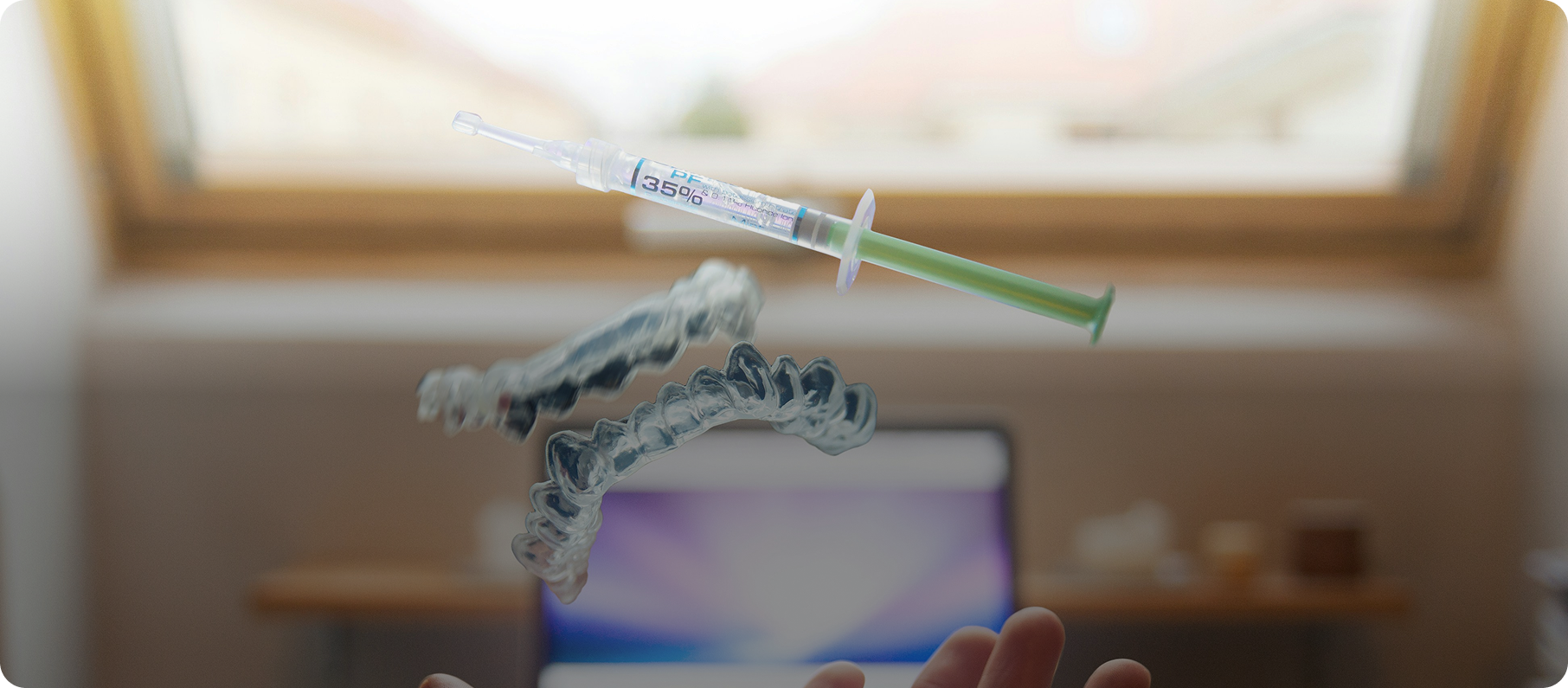
to align teeth is using transparent aligners, which have gained popularity recently. They are an
inconspicuous
alternative to traditional braces. Clear aligners are easily removable. It makes them handy for
people looking
for a less noticeable orthodontic treatment.
Moreover, an added insight for you about
the
innovation in orthodontic treatment is “accelerated orthodontics.” It is an approach to fasten
the process of
teeth straightening.
The growing popularity of clear
aligners.
People are increasingly using clear aligners these days. They have gained significant
recognition because of
their discreet look and pleasant use. Besides, the highlights of this procedure are its
customization feature
and transparent trays. They help to provide a cosmetic advantage with proper teeth
alignment.
Moreover,
the popularity of transparent aligners can be due to improved awareness, technical developments,
and a desire
for a less noticeable treatment. With their removable nature and low influence on everyday
activities, clear
aligners are a new approach to orthodontic care that appeals to people of all ages.
Traditional Braces: A Quick
Overview.
Components
• Brackets: Brackets are little, square-shaped metal devices linked to each
tooth.
• Bands or O-rings:
Metal bands or elastic rings that secure the brackets to the teeth.
• Archwire: A thin,
metal wire
that connects the brackets and applies pressure to shift the teeth.
• Ligatures: Small
rubber bands
or wires connecting the archwire to the brackets.
• Hooks: Small projections on
brackets that hold
elastic bands or other devices.
• Spacers or separators: These are little elastic bands
or metal
rings that create space between teeth to accommodate band installation.
• Rubber Bands:
These apply
extra force and fix biting difficulties.
Mechanics
• Pressure and Tension: The archwire applies consistent pressure to teeth, guiding them into
perfect
alignment.
• Bone Resorption and Formation: Pressure on the teeth causes bone
remodeling, which
allows them to move.
• Ligature Changes: Orthodontists make regular modifications by
altering
ligatures or wires to preserve progress.
• Rubber Band Usage: These are used to
straighten the upper
and lower jaws. It helps to treat biting disorders.
• Treatment Phases: The braces get
adjusted in
multiple stages to reposition teeth for optimal alignment.
Retention Phase: Patients
frequently
wear retainers after removal to keep their teeth from slipping back.
Challenges & Discomforts
Physical Discomfort
Traditional braces can cause physical discomfort,
especially
during the first adjustment phase. The wires
and brackets might irritate the cheeks and lips, causing pain and possible ulcers.
Furthermore, routine
adjustments may result in temporary pain when the teeth shift gradually.
Dietary Restrictions
Traditional braces may limit a person's dietary
choices.
Sticky and hard foods can ruin the braces, so
some snacks and sweets must be avoided. This dietary limitation can be difficult, altering
one's eating
patterns and enjoyment of various foods.
Oral Care Concerns
Many people who get traditional braces can face
trouble
maintaining good oral care. This is because the
brackets and wires have a surface to collect plaque and food particles. Brushing and
flossing must be done
thoroughly and carefully, which takes more time and effort than without braces.
Speech Impediments
Adapting to traditional braces may result in temporary
speech
difficulties. Foreign items in the mouth
disrupt speech patterns until the user adjusts to the new oral landscape.
Aesthetic Concerns
Traditional braces can cause self-consciousness. They
mainly
affect teenagers during puberty, who are
concerned about their visible appearance. The visible metal brackets and wires may undermine
one's
confidence, resulting in social and psychological difficulties during
treatment.
Clear Aligners: An Innovative
Alternative
A modern alternative to traditional braces is clear aligners. These transparent, removable trays
discreetly
repair misaligned teeth and bite abnormalities while meeting patients' cosmetic concerns.
Unlike
traditional braces, clear braces offer a pleasant and nearly undetectable option, enabling
people to keep
their natural smile throughout treatment.
The new procedure uses modern technology to
manufacture
personalized aligners that progressively move teeth into the correct position. Clear aligners
can be extracted
for meals and dental hygiene, providing simplicity and ease of maintenance. Choosing this
advanced orthodontic
solution is a huge step forward in creating a straighter, more confident smile.
How clear aligners work
• Customized Design: Clear aligners are made specifically for each individual's teeth
utilizing modern 3D
imaging technology.
• Series of Aligners: Treatment consists of wearing transparent
plastic aligners,
each gently modified to move teeth into the ideal position progressively.
• Progressive
Changes:
Aligners are worn for around 20-22 hours daily, with each set lasting a particular amount of
time (typically
two weeks) before moving on to the next.
• Gentle Pressure: Aligners apply modest
pressure to
specific teeth, allowing them to move in a controlled manner.
• Removability: One of
the primary
benefits of transparent aligners is their detachable nature, allowing for more straightforward
cleaning and
the freedom to eat anything.
• Regular Monitoring: As the teeth gets aligned with the
treatment. Its
progress is checked and adjusted by moving to the following aligners.
• Minimal
Disruption: Clear
aligners are a popular choice for orthodontic treatment. They are a more discrete and less
disruptive
alternative to traditional braces.
Materials used in clear aligners
Clear aligners are orthodontic devices. They help in effectively straightening the teeth. The
success of using
these aligners relies on the material. These are constructed using transparent and lasting
thermoplastic
polymer—for instance, polyurethane or polyethylene terephthalate glycol (PETG). The choice of
material depends
on its flexible, clear, and biocompatible nature.
Further, the transparency of the
aligners enables
them to stay undetectable on the teeth. It provides a cosmetic advantage over traditional
braces. Besides, the
materials are flexible and can fit snugly around the teeth. It helps in the regulated movement.
Design Flexibility of Clear Aligners
Clear aligners appeal to orthodontic patients primarily because of their design flexibility.
They do not
contain set wires and brackets like traditional braces, and they are tailored to meet different
requirements.
Advanced technology like Computer-Aided Design (CAD) is used to produce a set of aligners that
can move the
teeth to ideal positions. It enables a comfortable and efficient
experience.
Furthermore, the
removable feature of transparent aligners allows users to eat, brush, and floss without
difficulty. It results
in enhanced oral hygiene. Invisible braces are a contemporary and adaptable alternative for
creating a
straighter smile, thanks to their superior materials and design flexibility.
Significant Advantages of Clear Aligners
Aesthetic advantages
Clear aligners provide cosmetic benefits to the
patients after
orthodontic
treatment. Unlike traditional braces, these are undetectable. Thus, patients can grin and
speak
freely without
metal wires and brackets. This unobtrusive approach improves the complete look of the
teeth-straightening
procedure.
Moreover, the transparent nature of clear aligners makes them popular
for
their modest
and aesthetic way of treating dental misalignments. So, they deliver functional advantages
and
cosmetically
attractive smiles.
Comfort and
convenience
Clear aligners provide unparalleled
comfort and
convenience throughout orthodontic treatment. Unlike traditional braces, these clear,
custom-fitted trays may
be readily removed for eating, brushing, and special events. Eliminating wires and brackets
reduces discomfort
and provides a more pleasant experience.
Clear aligners, which may fix tooth misalignments discreetly, allow people to receive
orthodontic
treatment without losing everyday comfort or changing their lifestyle. This revolutionary
solution promotes
user comfort, ensuring a happy and easy orthodontic experience for people looking for a
straighter smile.
Oral
hygiene
Clear aligners provide more than just a discrete road to straighter
teeth; they
also help to
enhance oral hygiene. Unlike traditional braces, clear aligners are detachable, making tooth
cleaning more
accessible and thorough.
This lowers the risk of plaque formation and the onset
of
oral health
problems. Individuals who get clear aligner treatment experience the benefits of regular
brushing and flossing
practices, which help preserve general oral health during their orthodontic
journey.
Treatment
duration
Clear aligners have the distinct benefit of requiring less time to
complete
treatment than
conventional braces. Innovative technologies and individualized treatment plans allow for
more
effective tooth
alignment, lowering the overall time necessary for the orthodontic process.
Clear
aligners
frequently result in a faster and more comfortable treatment experience due to their
constant
changes and
ability to address many tooth concerns simultaneously. It appeals to people seeking a
discreet,
time-saving
way to get a straighter, healthier smile.
Clear Aligners vs. Traditional Braces
Effectiveness of treatment
When comparing the effectiveness of the treatment,
clear aligners
and traditional braces, both have shown
success in straightening teeth. Clear Aligners provide a discreet and removable solution for
mild to
moderate misalignments. With their fixed design, traditional braces are helpful in more
difficult
circumstances.
Although traditional braces offer precise control, clear aligners may
be used for
cosmetic reasons. Ultimately, the efficacy is determined by the individual's orthodontic
demands,
lifestyle, and preferences, with both procedures producing consistent outcomes.
Cost considerations
Pricing is an essential concern when choosing between
clear
aligners and traditional braces. Clear aligners
have more initial cost due to their superior technology and aesthetic
appeal.
Traditional braces,
on the other hand, may have cheaper initial costs. However, they require more regular
adjustments and
maintenance. It can lead to more long-term expenses. Therefore, consider your financial
situation when you
choose between the two solutions.
Lifestyle impact
People who want to get either clear aligners or
traditional braces
must consider their lifestyle impact.
The clear aligners are discreet and easily removable. Thus, the individuals with the
transparent aligners
can continue with their everyday activities without worrying about the major
disturbances.
Unlike
traditional braces, clear aligners need dietary restrictions and upkeep. Besides, clear
aligners are more
flexible. It enables the patients for better dental hygiene and unrestricted food choices.
This contrast
makes clear aligners an appealing option for people who want orthodontic treatment without
sacrificing their
lifestyle or comfort.
Addressing Common Concerns
Misconceptions about clear aligners
Misconceptions concerning clear aligners frequently
focus on their
efficacy, with some thinking they will
not produce the desired outcomes. However, advances in orthodontic technology ensure that
transparent
aligners may effectively address a variety of tooth disorders.
Concerns regarding
pain and
exposure are also widespread, although mostly unjustified, since current aligners are meant
to be
comfortable and discreet. Clear aligners are:
• A realistic alternative to conventional
braces.
• Eliminating
myths and giving a practical and visually pleasant option for straighter, healthier
teeth.
Clear aligner suitability for different cases
Determining the appropriateness of clear aligners for
certain
instances is a typical orthodontic challenge.
While these hidden orthodontic devices are helpful for mild to moderate misalignments, more
severe instances
may necessitate conventional braces. The degree of misalignment, biting difficulties, and
patient compliance
are all critical considerations.
Orthodontic specialists carefully evaluate each
case to verify
that teeth aligners are appropriate and then create tailored treatment regimens for the best
outcomes.
Addressing this concern ensures patients receive the most effective and proper orthodontic
therapy for their
dental needs.
Availability and accessibility
Availability and accessibility are significant
problems for those
seeking clear aligner therapy. Limited
regional availability of practitioners and significant appointment wait times might make
timely access to
orthodontic treatment difficult.
Furthermore, financial restrictions may limit
accessibility, as
some people may find the expense exorbitant. Addressing these concerns entails broadening
provider networks,
streamlining appointment processes, and investigating cost-effective solutions to ensure
that clear aligner
treatments are widely available to a broader range of people seeking orthodontic solutions
for their dental
needs
.
Consultation & Choosing the
Right Option
Importance of professional consultation
Professional guidance is required when choosing clear aligner treatment for various reasons.
Firstly, a
consultation with a trained orthodontist ensures that the treatment plan is personalized to the
individual's exact dental needs. Orthodontists are qualified to examine a case's
intricacy. Thus, it
ensures that any underlying abnormalities are successfully treated.
Second, expert
guidance assists
in establishing reasonable expectations. Orthodontists may explain the treatment process in
detail, including
the time frame, probable discomfort, and expected outcomes. This enables patients to judge
whether clear
aligners are the best option.
Furthermore, orthodontists can detect any potential
dangers or issues
during a consultation during treatment. Clear aligners might consider other treatment choices if
they do not
meet the patient's needs.
Factors to choose between clear aligners and traditional braces
Visibility and aesthetics
• Clear aligners: These are undetectable and becomes a
discreet
choice for people without visual braces.
• Traditional
braces: The treatment is obvious to see. It is due to the significant metal brackets and
wires.
Treatment Duration
• Clear aligners: The duration to get clear aligners may
vary. But,
it is almost equivalent to traditional
braces.
• Traditional braces: The treatment time can also vary. However, the adjustments
can be required
in every 4-6 weeks.
Maintenance and Cleaning
• Clear aligners: The clear aligners are removable. So
you can
properly clean them to reduce the risk of
plaque development and dental hygiene issues.
• Traditional braces: Fixed components need
extra care to
keep food particles from accumulating.
Comfort level
• Clear aligners: These are smooth and pleasant, causing
minimal
discomfort to the cheeks and lips.
• Traditional
braces: Initial pain and irritation from brackets and wires.
Cost Considerations
• Clear aligners: The clear aligners are more expensive
than
traditional braces. However, pricing might vary
depending on the case's complexity.
• Traditional braces: The traditional braces are
often a more
affordable alternative for orthodontic treatment.
Treatment suitability
• Clear aligners: These are effective for mild to
moderate instances
but may not be appropriate for severe
orthodontic difficulties.
• Traditional braces: These are adaptable and successful for
various
orthodontic concerns, including more complicated instances.
Lastly, better oral health with a modern platform
Ultimately, you checked everything to understand the benefits of using clear aligners over traditional braces. One significant point in the overall topic was the customization of the treatment. Professional help from the experts can result in the desired outcomes. So, expert dentists can use a platform to pace their work with proper patient records and ongoing support. If you want to optimize your treatment plan completely, you can try AlineCloud. Doctors can log in and use the platform according to their requirements.